Wamarra acknowledges the Traditional Custodians of the lands upon which we work, live and socialise. We pay our respect to their Elders past and present and extend that respect to all Aboriginal and Torres Strait Islander peoples who we recognise as Australia’s First Peoples whose cultural practices continue today.
This National Reconciliation Week, we’re reminded that reconciliation only moves forward when we’re all in.
Reconciliation and advancing Aboriginal and Torres Strait Islander peoples’ rights is not a passive activity. It is something we all share responsibility for. It does not sit with First Nations people alone, who continue to carry the weight of explaining, advocating and driving change.
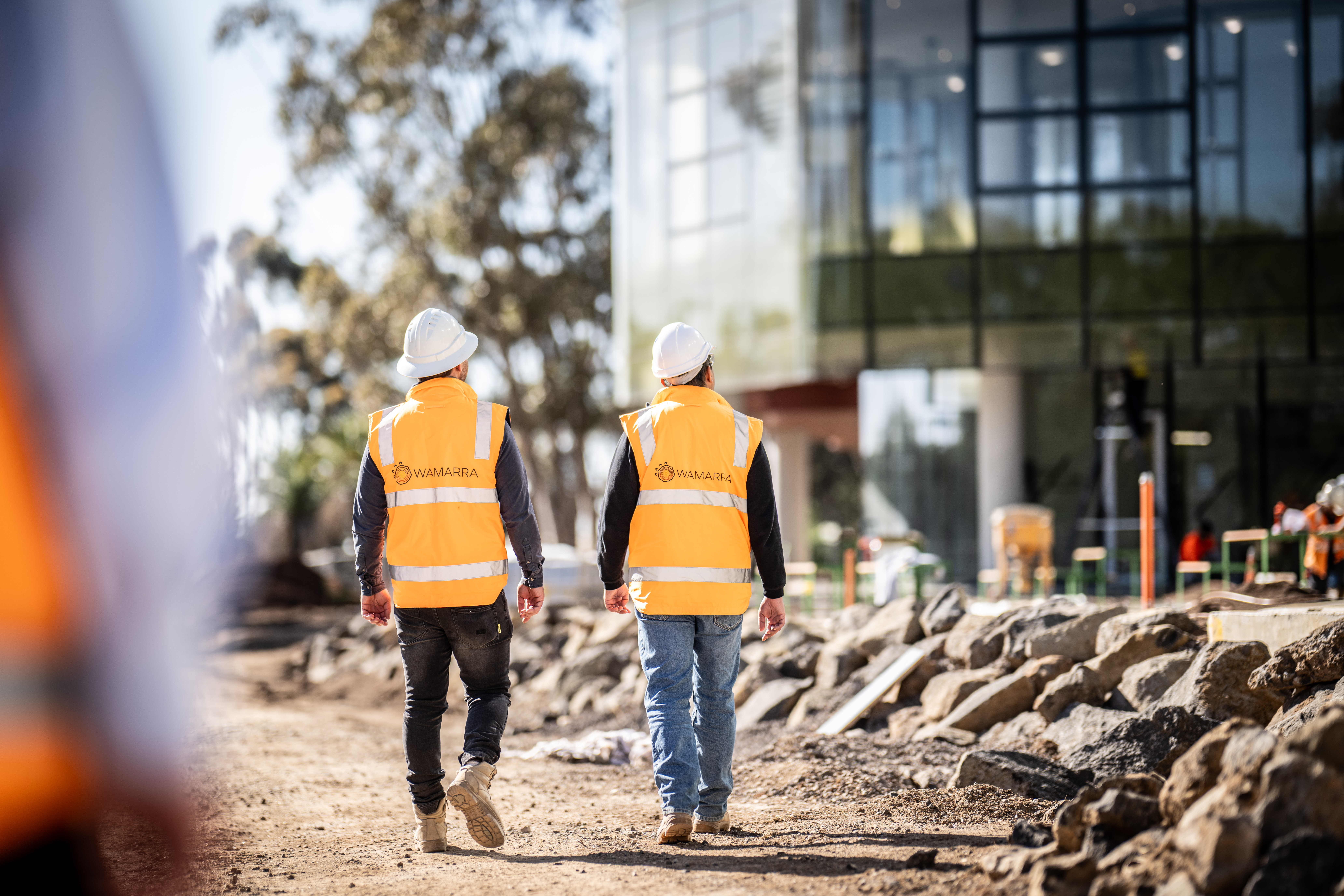
Being all in is something we live every day. It shows up in how we work, the opportunities we create and the futures we are helping build together.
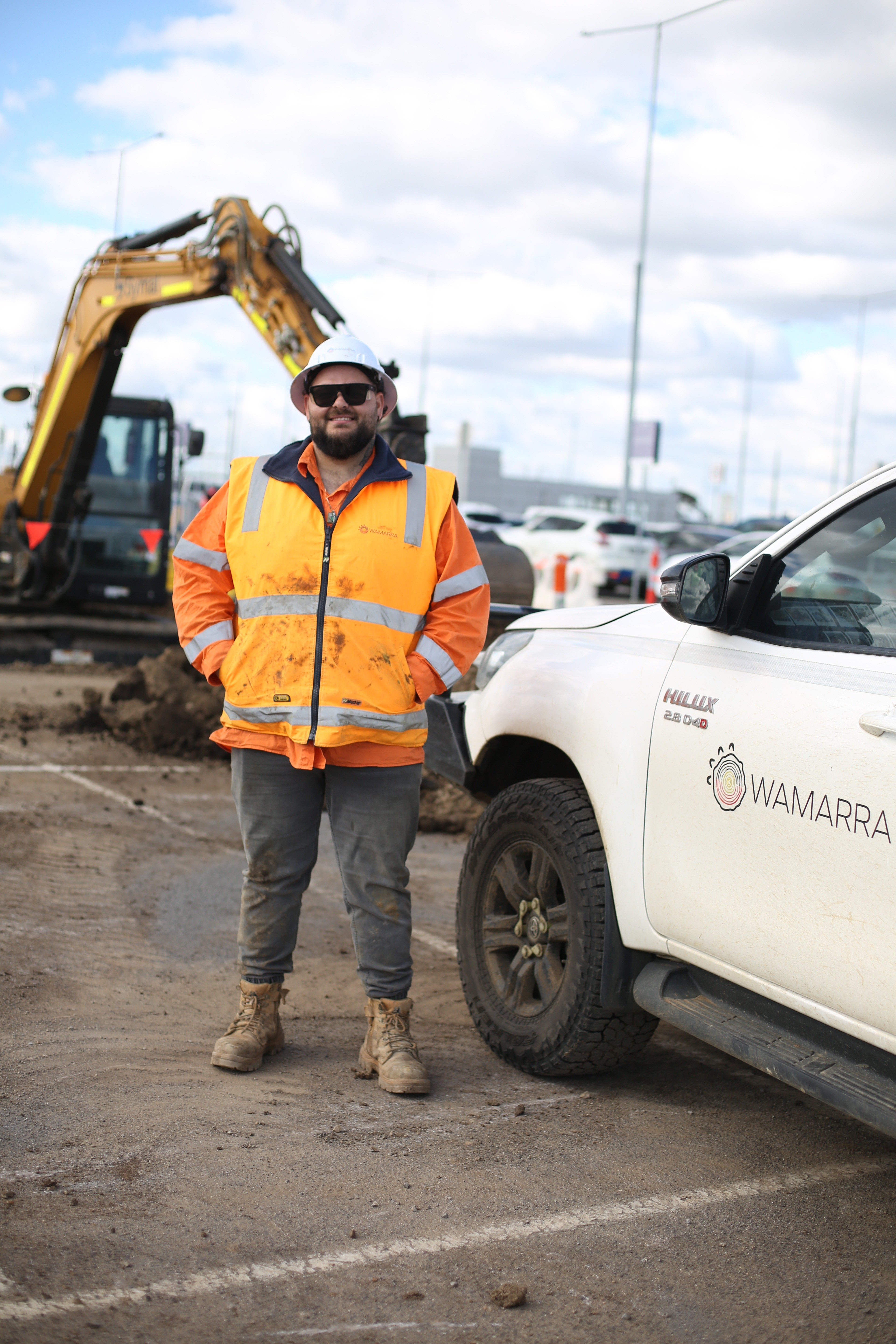
As Managing Director and proud Wurundjeri man Hayden Heta shares in our latest conversation, reconciliation is about coming together and staying in it together. Listening properly. Learning openly and being willing to see things differently.
That commitment is reflected through the Symal Group’s Reconciliation Action Plan (RAP), which continues to guide how reconciliation is embedded across the Group.
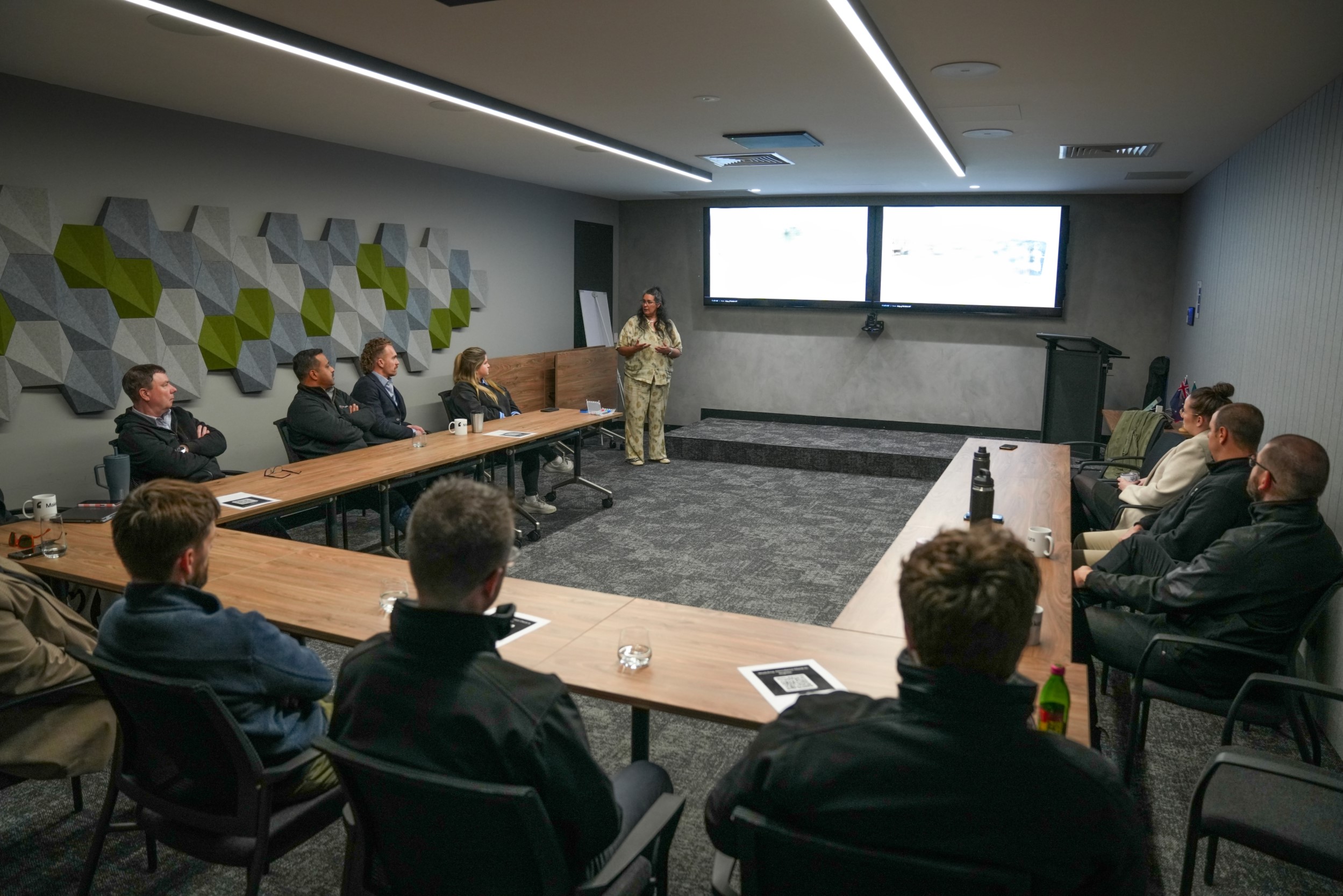
A key part of this journey is ongoing Cultural Awareness training delivered across the Group in partnership with Indigenous Cultural Connections, a fellow Indigenous-owned and operated organisation.
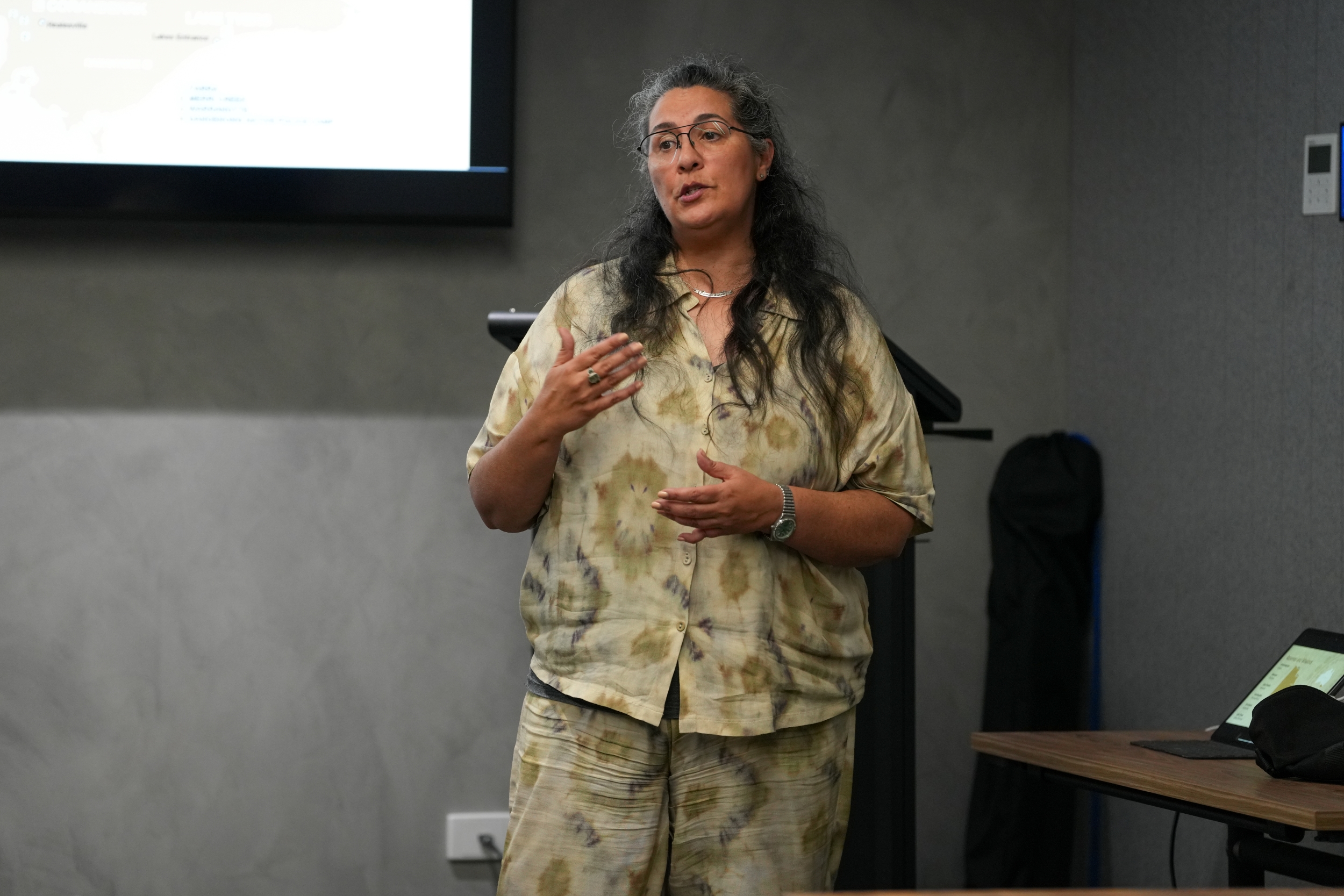
Led by proud Yorta Yorta woman Seona James, these sessions run regularly and are built into onboarding. They create space for people to slow down, ask questions and hear First Nations perspectives directly.
For many, these sessions stay with them. They are eye-opening and often deeply reflective. They also open up an important question that lingers long after the session ends: what more can I learn and how do I show up better than I did before.
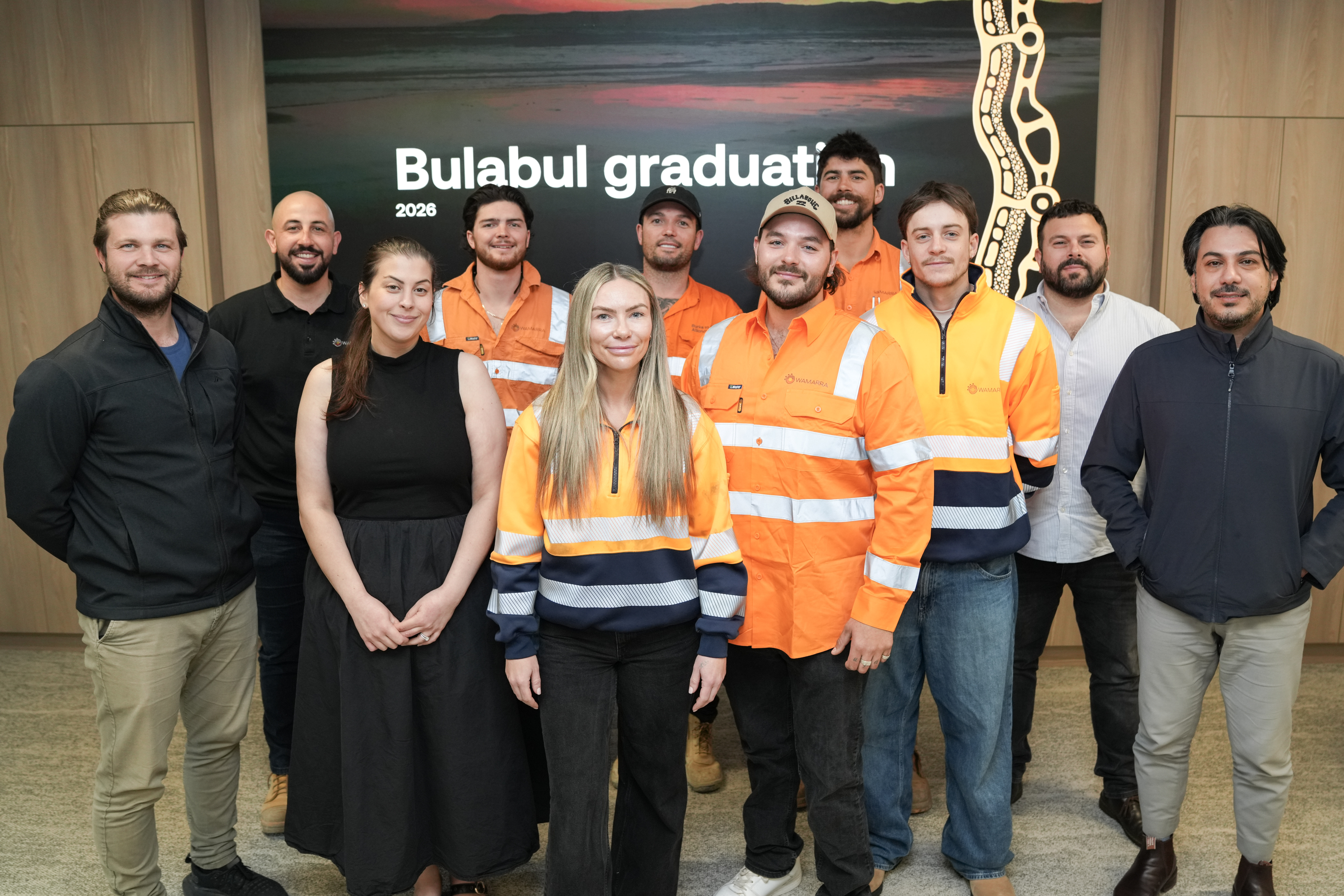
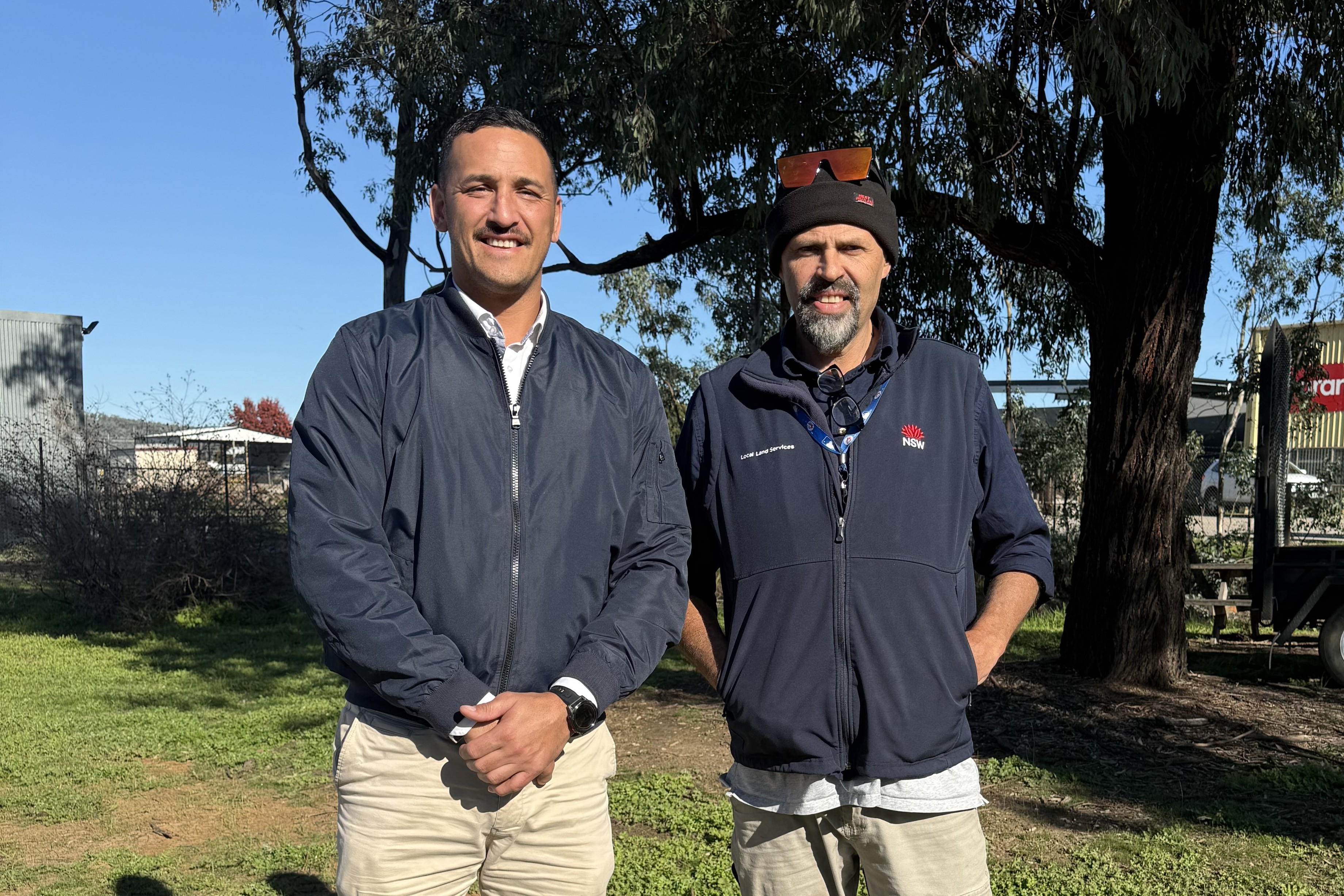
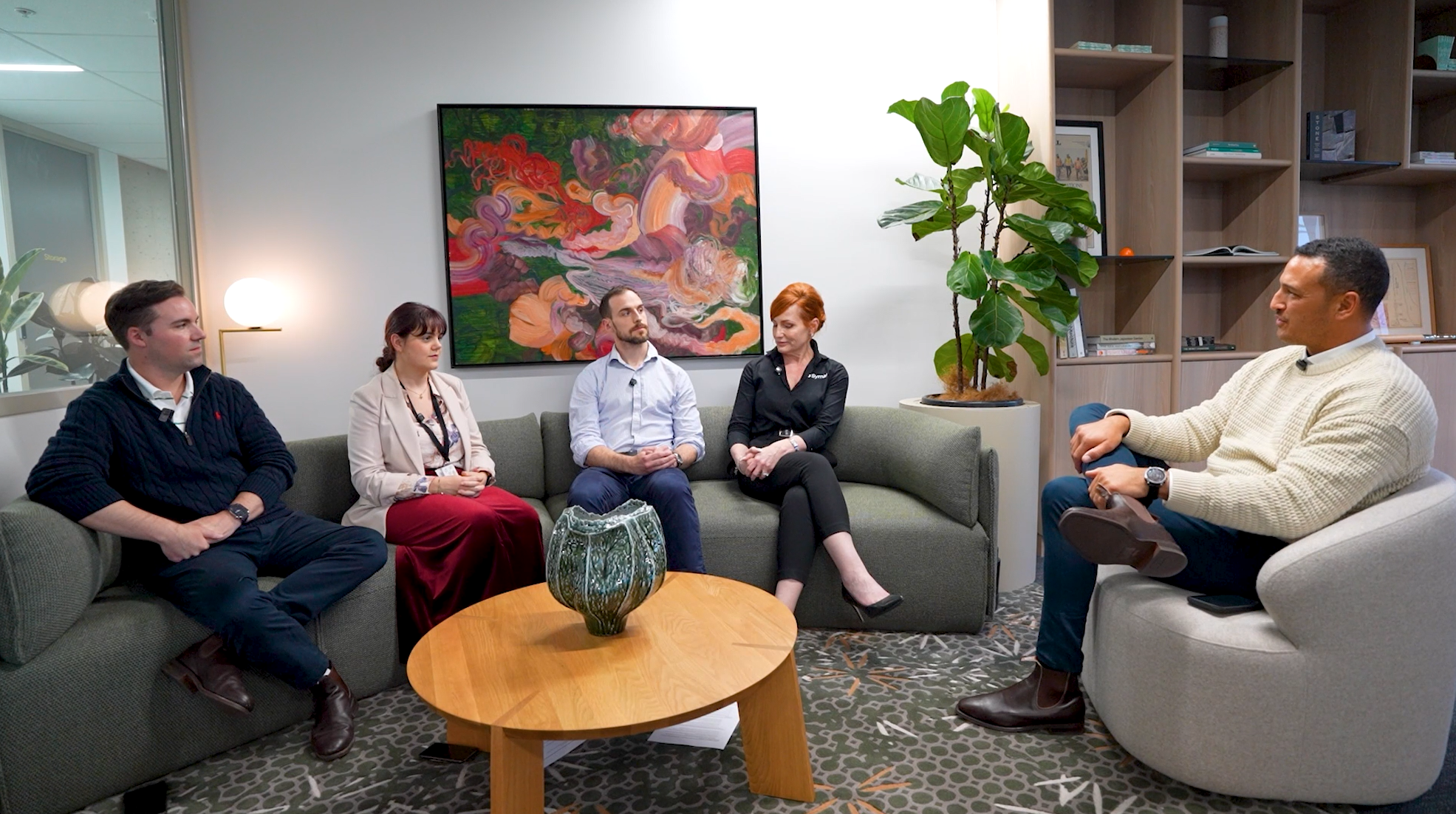
Hayden recently sat down with key team members from across the Group who have taken part in the training. They share what they experienced, what stayed with them and how it continues to shape the way they think about culture, history and their role in reconciliation.
The reflections are different, but they come back to the same place. Reconciliation is something we all have a part in. It only moves forward when we choose to be part of it together.